Manual Ceramic Ball Valve

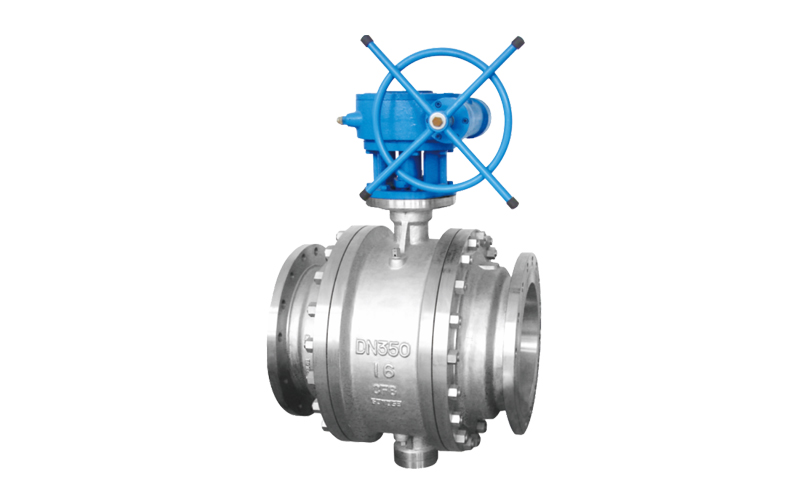
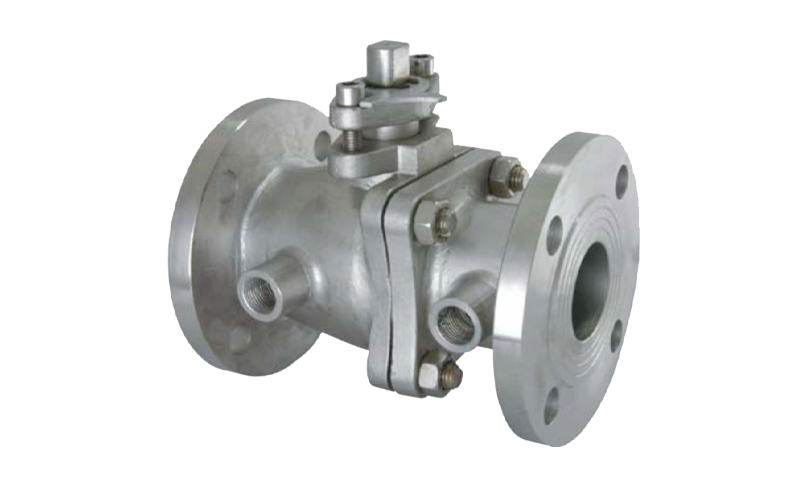
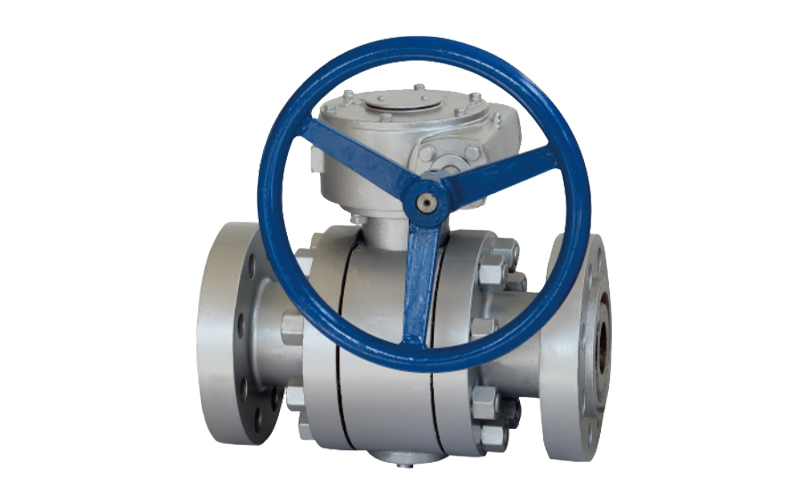
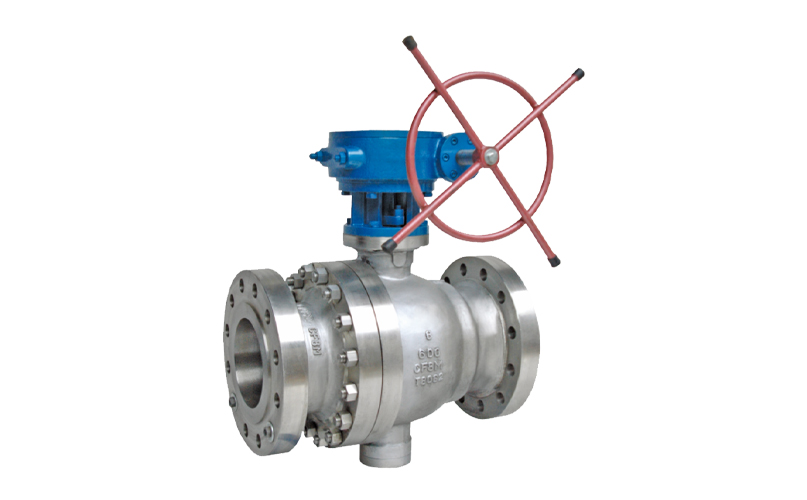
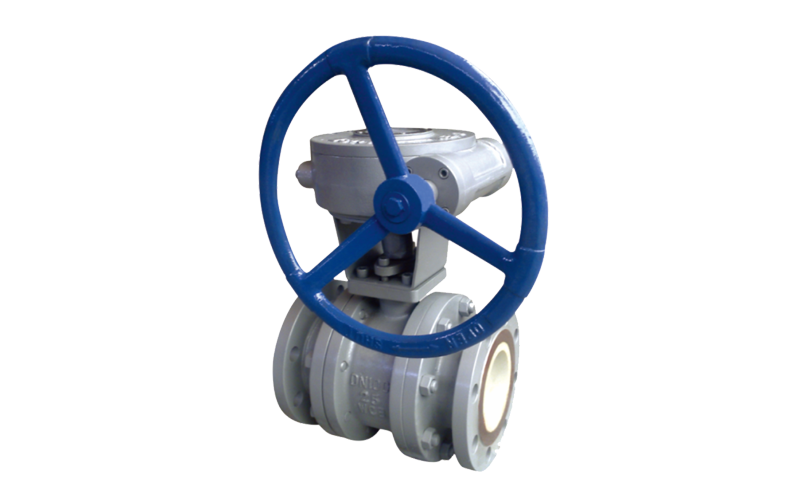
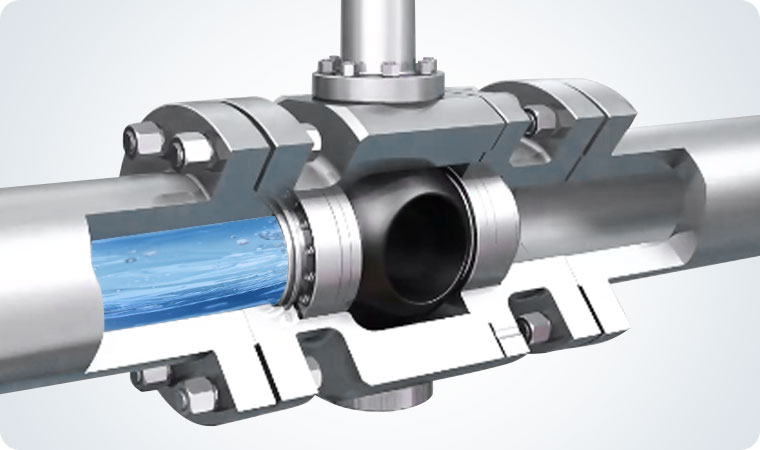
Manual ceramic ball valve is a valve made of ceramic materials (such as alumina, silicon carbide) with sealing components or spheres. It can be quickly opened and closed by manually rotating the handle/handwheel to drive the sphere to rotate 90 °. Its core advantages lie in its super strong wear resistance and corrosion resistance, which can withstand high hardness particles, acidic and alkaline media, and high temperature and high pressure working conditions. It has reliable sealing and long service life, and is suitable for harsh environments such as power, chemical, and mining.
  • Wide adaptability
  • Economy and maintenance convenience
  • Optimized sealing and operational design
  • Core properties of ceramic materials
Wide adaptability
  • Wide adaptability
    01
    Suitable for complex media containing particles, fibers, etc. (such as slurry, pulp) and high-pressure, high-temperature scenarios, covering multiple fields such as power, metallurgy, and sewage treatment.
Economy and maintenance convenience
  • 01
    Long lifespan and low cost
    The lifespan is 2-4 times that of titanium alloy valves or Monel valves, reducing replacement frequency and maintenance costs.
  • 02
    Convenient maintenance
    Some structures support online maintenance (such as replacing valve seats), without the need to disassemble the valve as a whole, reducing downtime.
Optimized sealing and operational design
  • 01
    Precision sealing pair
    The ceramic sphere is finely ground and tightly matched with the valve seat, utilizing the self-lubricating properties of ceramics to achieve low friction sealing and extremely low leakage rate.
  • 02
    Low operating torque
    The ceramic ball has a low friction coefficient with the valve seat, making opening and closing operations easy and reducing manual operation intensity.
  • 03
    Low flow resistance design
    When fully open, the flow channel is close to the pipeline cross-section, reducing pressure loss and improving fluid transmission efficiency.
Core properties of ceramic materials
  • Core properties of ceramic materials
    01
    Super abrasion resistance: The valve body and sealing components are made of high hardness ceramics such as alumina and silicon carbide (Rockwell hardness HRC90), which can resist the erosion of high hardness particles and significantly extend the service life.
  • 02
    Corrosion resistance: Ceramics have strong chemical stability and are resistant to strong corrosive media such as acids, alkalis, and salts. They are suitable for corrosive environments such as chemical and petroleum industries.
  • 03
    High temperature resistance: Ceramic materials have excellent high temperature resistance and can operate stably under harsh conditions such as high temperature steam and hot fluids.
Main Component Materials

name

Material

name

Material

Left and right body

WCB

filler

PTFE

valve body

WCB

gland

2Cr13

bushing

Composite engineering ceramics

support

Q235

sphere

Screw equipment


valve seat

stud

35

valve stem

2Cr13

End Mother

5

shim

graphite


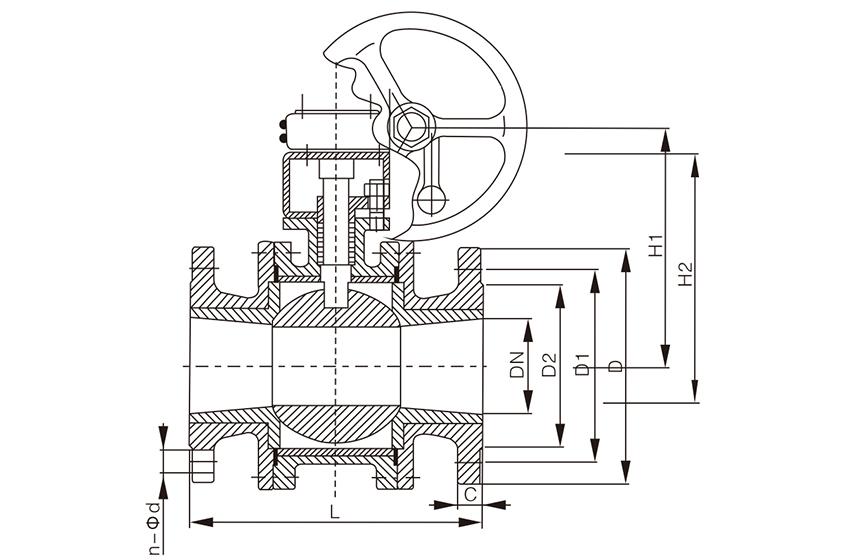
Performance Specifications & Dimensions
  • Nominal pressure PN
    1.6/2.5/4.0/6.4/10.0/16.0
  • Shell F
    P x 1.5
  • Sealing Pressure
    P x 1.1
  • Medium
    Water, Steam, oil, nitric acid, acetic acid
  • Temperature (℃)
    ≤200℃

Nominal Diameter
DN(mm)

PN1.6MPa

L

D

D1

D2

C

H1

H2

n-Φd

50

203

165

125

99

20

185

150

4-18

65

222

185

145

118

20

215

150

4-18

80

241

200

160

132

20

230

150

8-18

100

305

220

180

156

20

240

180

8-18

125

356

250

210

184

22

265

180

8-18

150

394

285

240

211

24

300

180

8-22

200

457

340

295

266

24

355

200

12-22

250

533

405

355

319

26

420

200

12-26

Note: The above data is for reference only. For details, please consult the company's sales department.

Valve Application
  • Oil & Gas Transportation

    Oil and gas transportation involves multiple modes such as pipelines and ships, and is the core link of the energy supply chain.

  • Chemical Raw Material Control

    The control of chemical raw materials covers the entire process of mining, storage, and production, ensuring safety and process stability.

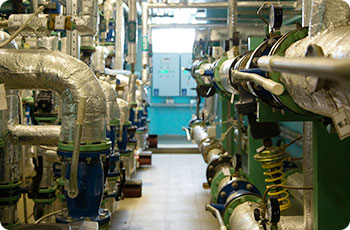
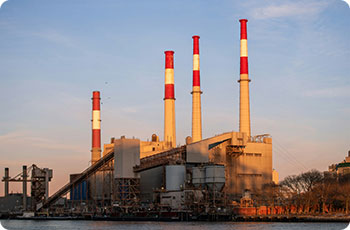
  • High Temperature SteamPipeline in Power System

    High temperature steam pipelines are the core of energy transmission in power systems, supporting the efficient operation of thermal and nuclear power plants.

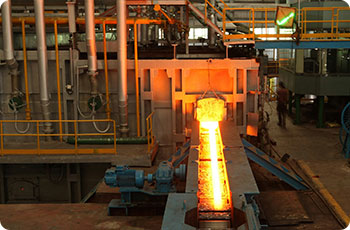
  • Other Industries

    Valves control fluids in multiple industries such as new energy and electronics, ensuring safe and efficient production.

Related Recommendations
Always Connect With Us.
24-hour online response, professional team to answer all your questions, Welcome to contact us to customize your exclusive solution.
WeChat
Scan the QR Code with WeChat