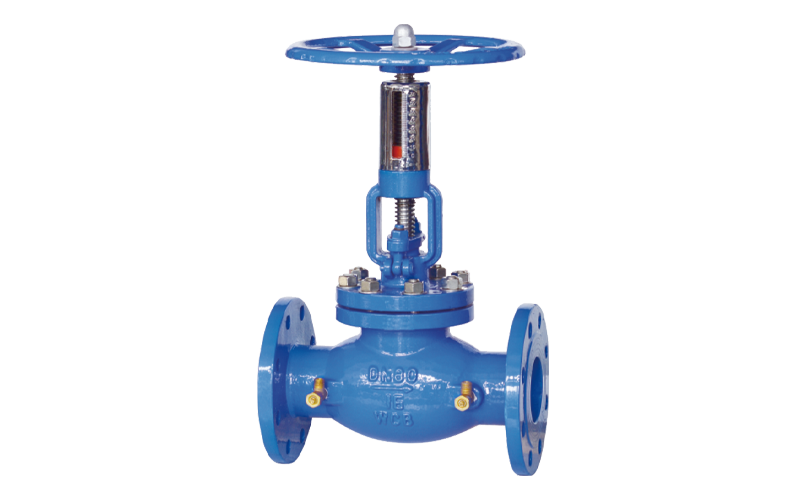
Balance Valve

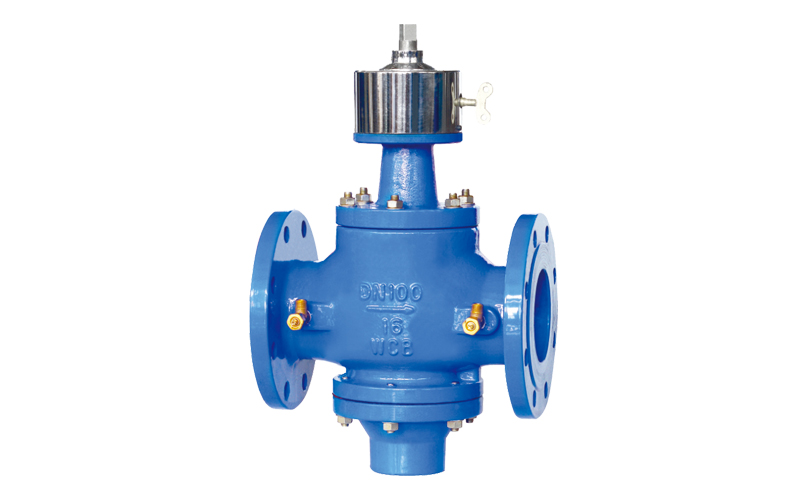
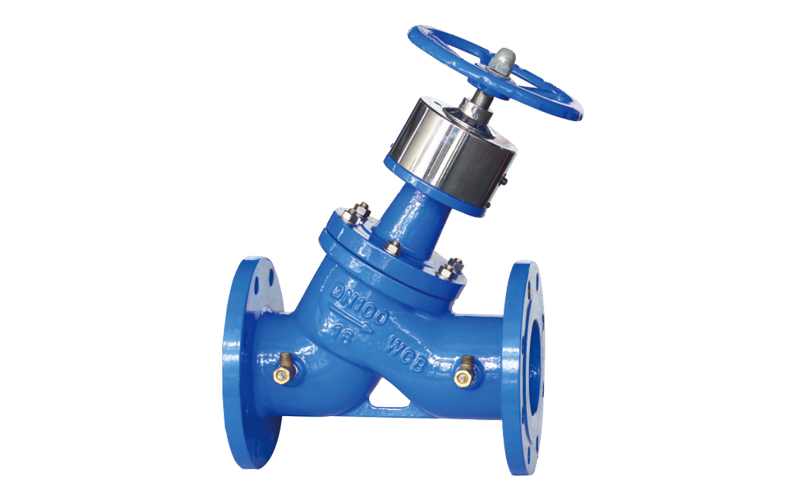
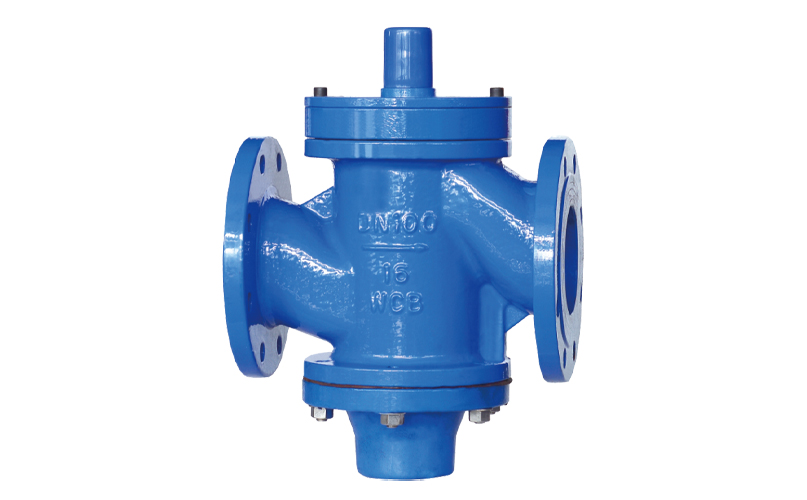
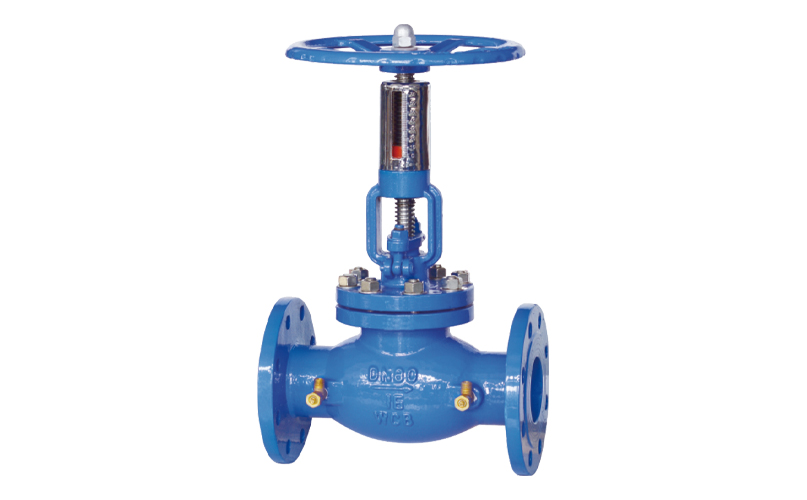
A balance valve is a control device used to regulate the flow or pressure balance in fluid systems such as water, oil, etc. It adjusts the valve opening manually or automatically to ensure that the flow rate or pressure difference of each branch of the pipeline network reaches the set value, thereby optimizing the system's operating efficiency. It is mainly divided into static balance valves (fixed flow) and dynamic balance valves (automatic adjustment of flow/pressure difference), widely used in HVAC, water supply and drainage, industrial hydraulics and other fields to solve problems such as uneven heating and cooling, pressure fluctuations, energy waste, etc. Its core function is to achieve hydraulic balance, improve system stability, energy efficiency, and equipment lifespan.
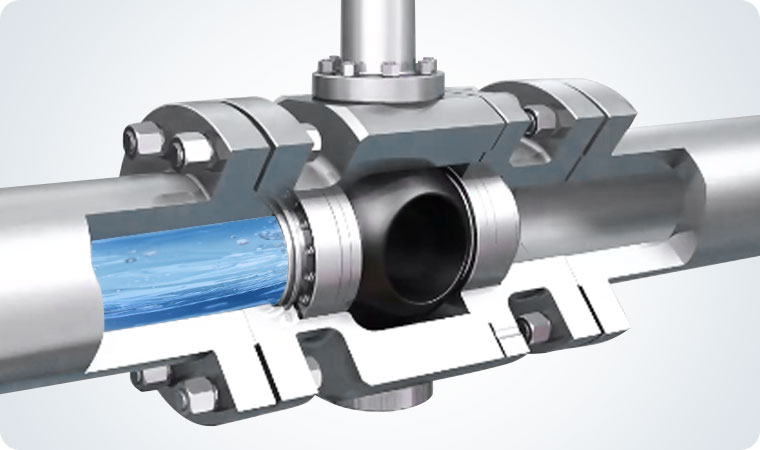
  • Improve system stability
  • Accurate regulation and convenient maintenance
  • Simplify engineering design
  • Energy conservation and consumption reduction
Improve system stability
  • Significant energy-saving benefits
    01
    The dynamic balance valve automatically senses changes in pressure difference, adjusts the opening in real time to maintain a constant flow rate, and effectively eliminates the problem of uneven heating and cooling caused by hydraulic imbalance; Absorb pressure fluctuations in the pipeline network to ensure stable operation of end equipment.
Accurate regulation and convenient maintenance
  • Accurate regulation and convenient maintenance
    01
    Equipped with an opening dial and locking device, the flow rate value can be accurately set and fixed to prevent unauthorized personnel from operating it incorrectly; The built-in pressure measurement interface supports rapid detection of valve pressure difference and flow rate, simplifying the debugging and fault diagnosis process.
Simplify engineering design
  • Simplify engineering design
    01
    Allowing the use of alternative pipeline layouts saves pipe costs and installation space, eliminates complex system resistance calculations, and significantly improves design efficiency. When the project is constructed in stages or expanded, there is no need to readjust the original system balance.
Energy conservation and consumption reduction
  • Energy conservation and consumption reduction
    01
    By precisely adjusting the flow distribution of each branch, the refrigeration unit, water pump and other equipment are ensured to operate at their optimal conditions, significantly reducing system energy consumption (with a reduction of up to 20%); At the same time, avoid pipeline wear and energy waste caused by excessive flow.
Main Component Materials

Part Name

material

Valve body, valve cover, valve disc, packing pressure sleeve

Grey cast iron, ductile iron

Valve stem, sealing ring

stainless steel

Valve stem and nut

bronze casting

washer

Rubber asbestos board

filler

expanded graphite

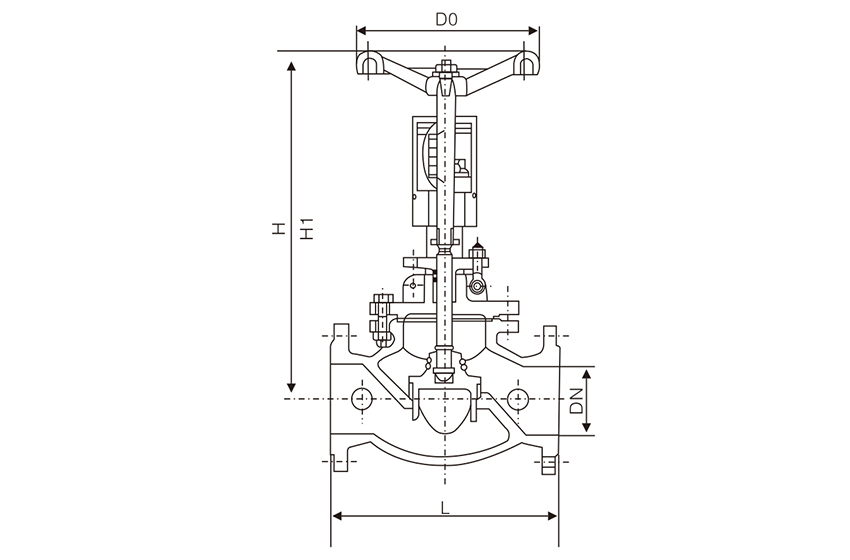
Performance Specifications & Dimensions
  • Nominal pressure PN
    1.6/2.5/4.0/6.4
  • Shell F
    P x 1.5
  • Sealing Pressure
    P x 1.1
  • Medium
    Non corrosive liquids such as water and oil
  • Temperature (℃)
    0~100 ℃

Nominal diameter

DN (mm)

L

H

H1

Do

15

130

150

160

80

20

150

160

170

80

25

160

182

197

80

32

180

192

207

90

40

200

250

270

100

50

230

264

284

120

65

290

380

410

200

80

310

413

448

200

100

350

446

506

240

125

400

540

595

240

150

580

623

688

360

200

495

687

762

400

250

622

782

867

500

300

680

914

1009

500

350

705

968

1073

680

400

810

1037

1152

680

500

860

1440

1440

600

990

1790

1790

Note: The above data is for reference only. For details, please consult the company's sales department.

Valve Application
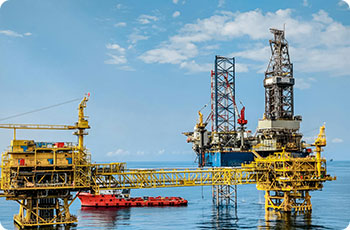
  • Oil & Gas Transportation

    Oil and gas transportation involves multiple modes such as pipelines and ships, and is the core link of the energy supply chain.

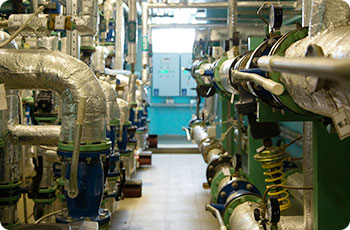
  • Chemical Raw Material Control

    The control of chemical raw materials covers the entire process of mining, storage, and production, ensuring safety and process stability.

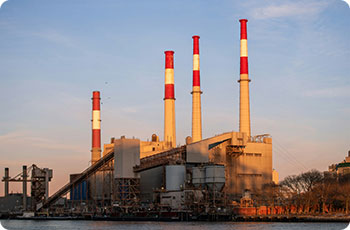
  • High Temperature SteamPipeline in Power System

    High temperature steam pipelines are the core of energy transmission in power systems, supporting the efficient operation of thermal and nuclear power plants.

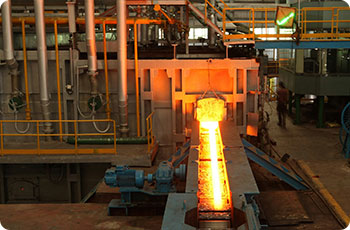
  • Other Industries

    Valves control fluids in multiple industries such as new energy and electronics, ensuring safe and efficient production.

Related Recommendations
Always Connect With Us.
24-hour online response, professional team to answer all your questions, Welcome to contact us to customize your exclusive solution.
WeChat
Scan the QR Code with WeChat