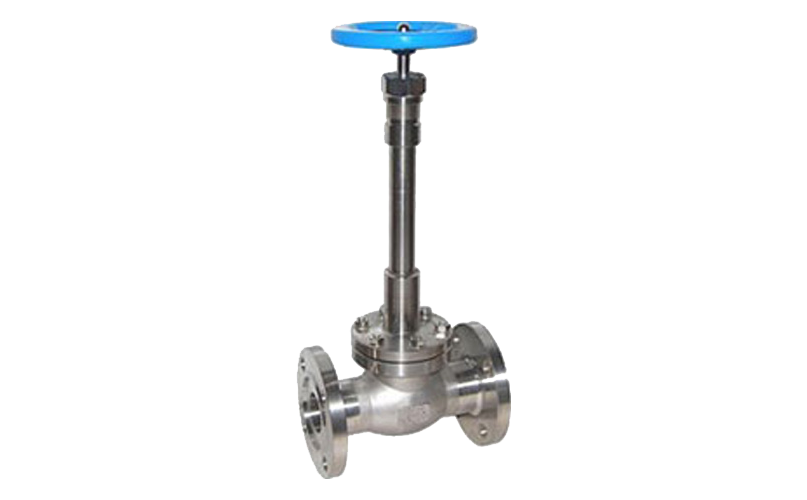
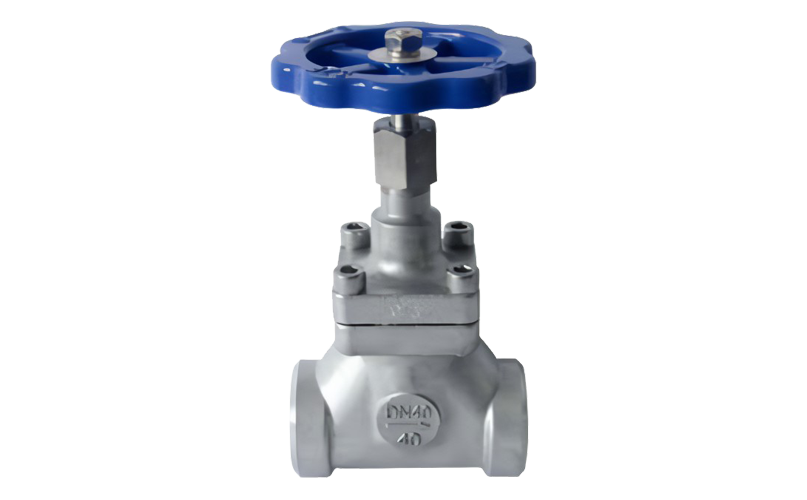
Cryogenic Valve

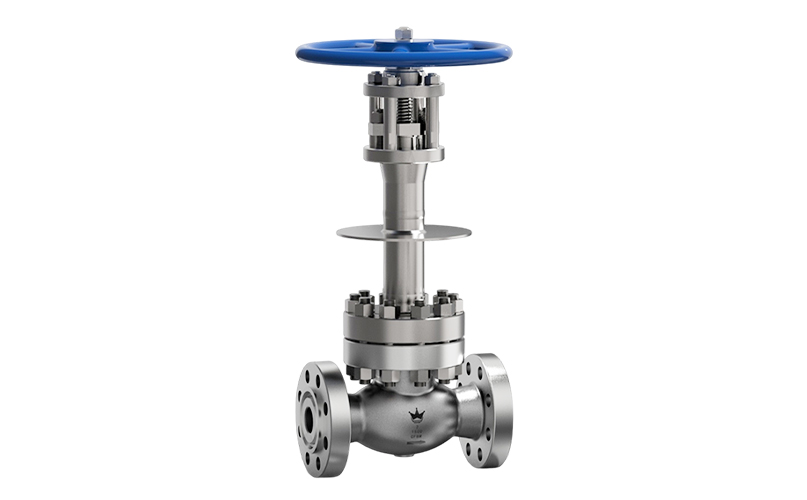
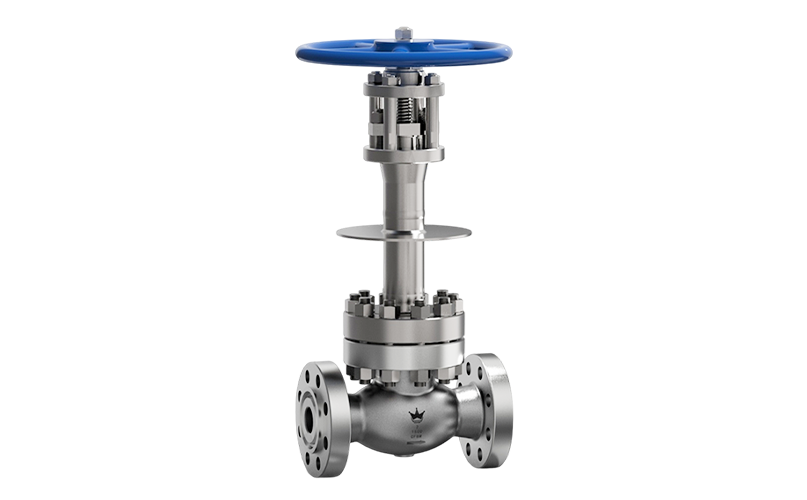
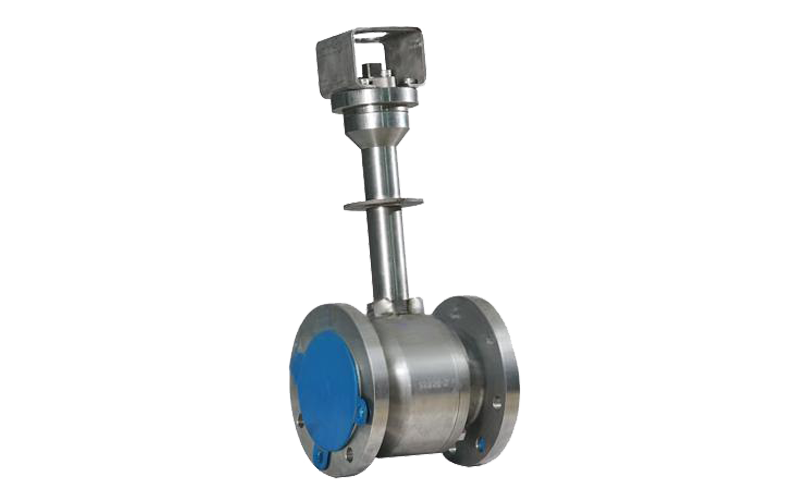
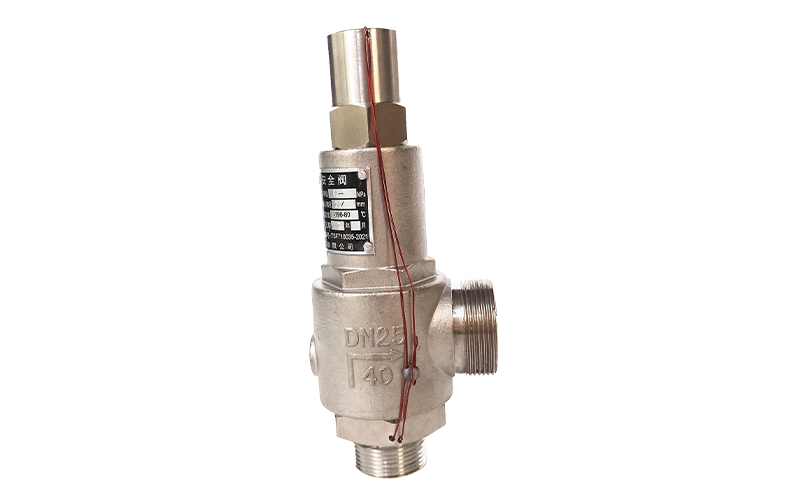
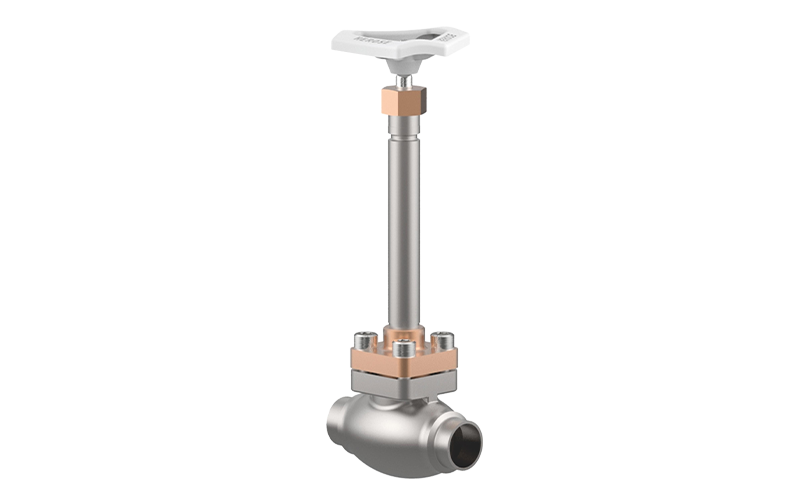
Low temperature valve is a general term for valves designed for low-temperature environments with medium temperatures ranging from -40 ℃ to -196 ℃. Its core function is to control the stable flow of flammable and explosive liquid media (such as liquid oxygen and liquefied natural gas) at low temperatures, preventing gasification expansion from causing leaks or explosions. The main features include:


Long neck valve cover design: isolate the packing box from the low temperature zone to prevent the valve stem from frosting and getting stuck;

Special low-temperature materials, such as LCB (-46 ℃), LC3 (-101 ℃), CF8 (304) (-196 ℃), etc., ensure the toughness of the materials at low temperatures;

Strengthen sealing structure: Optimize the sealing surface according to the characteristics of low-temperature media to prevent leakage.


Common types include low-temperature ball valves, gate valves, globe valves, butterfly valves, etc., which are widely used in liquefied natural gas (LNG) storage and transportation, air separation equipment, liquid hydrogen/liquid helium systems, and other scenarios.
  • Precise thermal management
  • Modular maintainability
  • Anti phase change leakage structure
  • Strengthen the sealing system
  • Design of anti freezing structure for long neck valve cover
  • Ultra low temperature material toughness guarantee
Precise thermal management
  • 01
    Lightweight design
    reduces valve body volume and wall thickness, lowers cooling loss and energy consumption.
  • 01
    Surface hardening process
    The roughness of the valve stem contact surface is ≤ 0.4 μ m to reduce sealing failure caused by frictional heat generation.
Modular maintainability
  • 01
    Online component replacement
    Key components such as valve seats and valve stem seals support non-stop replacement, reducing system downtime.
  • 02
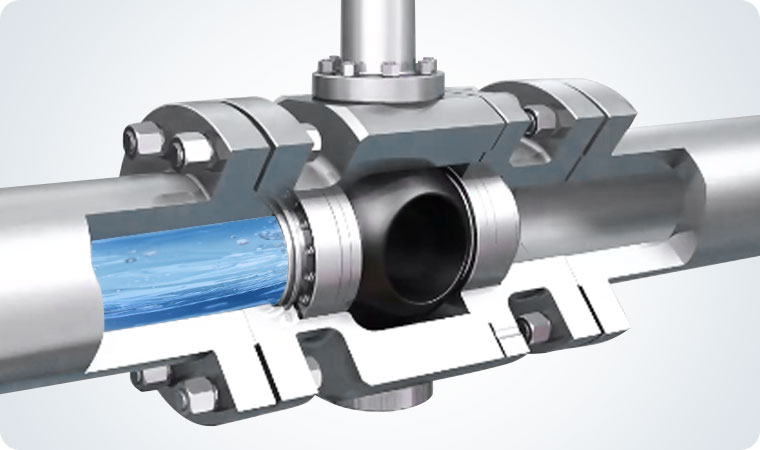
    Upper mounted valve body
    The ball and seal can be repaired without disassembling the pipeline, significantly reducing maintenance costs.
Anti phase change leakage structure
  • 01
    DBB double cutoff release
    After the valve is closed, residual liquid in the valve chamber can be discharged to avoid overpressure explosion caused by low-temperature medium gasification.
  • 02
    Pull off valve linkage design (such as crane pipe system)
    automatically disconnects and seals the pipeline when accidentally pulled, achieving "near zero leakage".
Strengthen the sealing system
  • 01
    Bidirectional metal seal
    The hard alloy valve seat is matched with Inconel springs to achieve zero leakage in both inlet and outlet directions, adapting to low-temperature medium phase change expansion pressure.
  • 02
    Emergency grease injection function
    equipped with a sealed grease injector, which can inject sealant to temporarily seal the leak in case of sudden leakage.
Design of anti freezing structure for long neck valve cover
  • 01
    Double isolation
    Extend the valve cover (with standardized minimum height) and use a drip board to keep the packing box away from low temperature areas and prevent freezing from jamming the valve stem.
  • 02
    Heat transfer blockage
    A thermal insulation layer is installed between the valve cover and the valve body to reduce the transmission of cold to the operating components.
Ultra low temperature material toughness guarantee
  • Ultra low temperature material toughness guarantee
    01
    Special low-temperature steel materials (such as LCB, LC3, CF8 stainless steel) are used to ensure high toughness and brittle fracture resistance at -196 ℃ after deep cryogenic treatment, avoiding valve shrinkage and rupture due to low temperature.
Performance Specifications & Dimensions
Valve Application
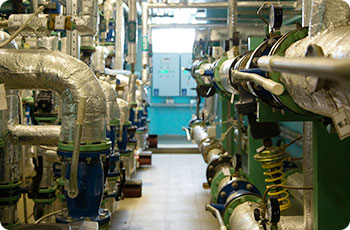
  • Oil & Gas Transportation

    Oil and gas transportation involves multiple modes such as pipelines and ships, and is the core link of the energy supply chain.

  • Chemical Raw Material Control

    The control of chemical raw materials covers the entire process of mining, storage, and production, ensuring safety and process stability.

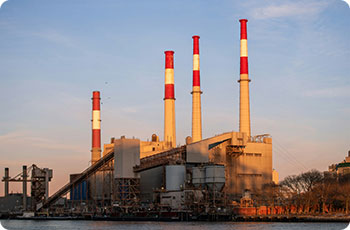
  • High Temperature SteamPipeline in Power System

    High temperature steam pipelines are the core of energy transmission in power systems, supporting the efficient operation of thermal and nuclear power plants.

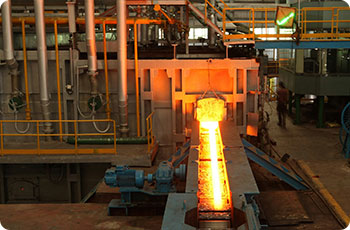
  • Other Industries

    Valves control fluids in multiple industries such as new energy and electronics, ensuring safe and efficient production.

Related Recommendations
Always Connect With Us.
24-hour online response, professional team to answer all your questions, Welcome to contact us to customize your exclusive solution.
WeChat
Scan the QR Code with WeChat