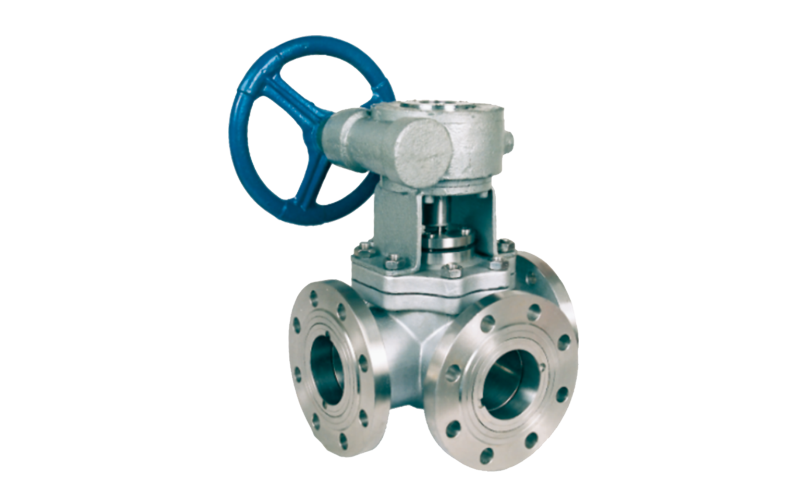
Three-Way Flanged Ball Valve

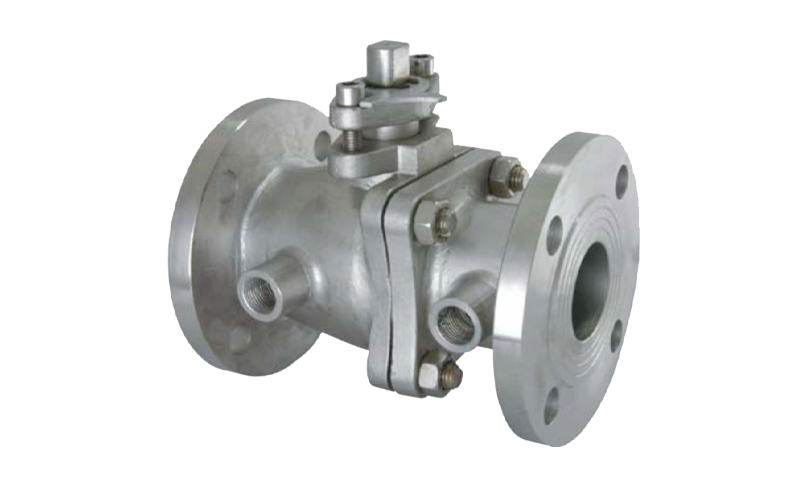
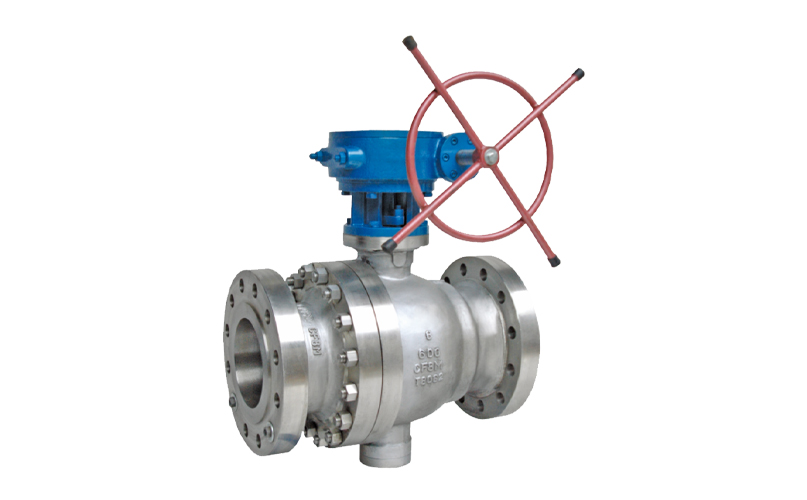
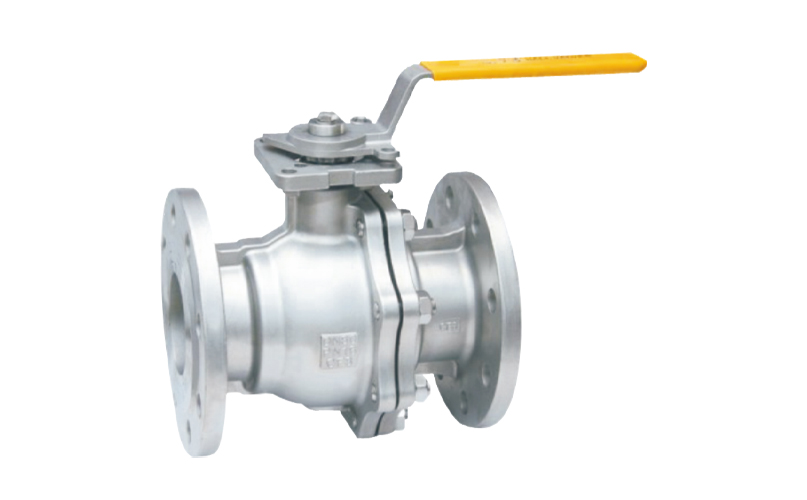
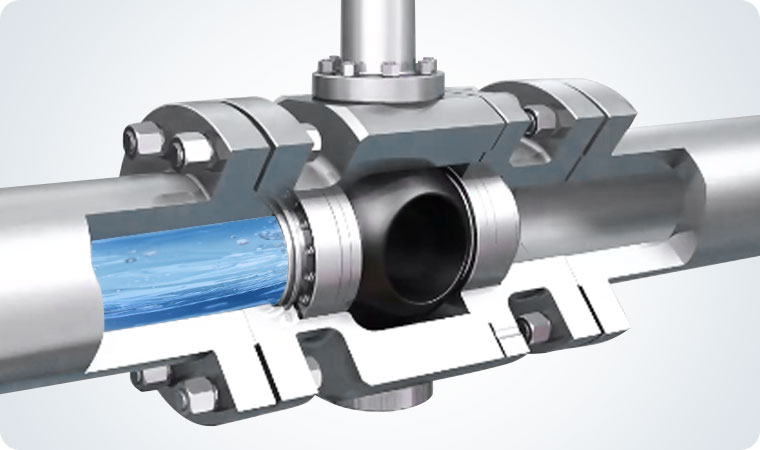
A three-way flange ball valve is a valve that controls the flow of medium through the rotation of a ball. It has three channels (one inlet and two outlets or two inlets and one outlet), and the flange connection complies with ANSI, DIN and other standards. Its spherical channel can be T-shaped or L-shaped, and can achieve medium diversion, merging or reversing through 90 ° rotation. It is suitable for systems that require multi-directional flow control such as petrochemicals and water treatment, and has the characteristics of compact structure, reliable sealing and flexible operation.
  • Standardization of Materials and Manufacturing
  • Safety redundancy function
  • Convenient operation and simple maintenance
  • Low flow resistance and high flow efficiency
  • High sealing performance and wear-resistant design
  • Multi directional flow control capability
  • Integrated structure and lightweight design
Standardization of Materials and Manufacturing
  • Standardization of Materials and Manufacturing
    01
    The valve body is made of ASTM standard stainless steel or carbon steel, which is corrosion-resistant and suitable for various media such as water, oil, acid and alkali.
  • 02
    Compliant with international standards such as API and ANSI, suitable for mainstream pipeline systems worldwide.
Safety redundancy function
  • 01
    Automatic pressure relief in valve chamber
    When the abnormal pressure rises, the valve seat moves backwards and disengages from the ball to release pressure. After pressure relief, it automatically resets to avoid the risk of bursting.
  • 02
    Anti static and anti valve stem detachment design
    Some models are equipped with bottom mounted valve stem structures and anti-static devices to ensure safe operation.
Convenient operation and simple maintenance
  • 01
    Flexible driving mode
    supports manual, electric, and pneumatic (single acting/double acting) control, and single acting can maintain the preset state in case of power source failure.
  • 02
    Modular design
    Components such as valve seats and sealing rings can be disassembled and replaced, eliminating the need for overall disassembly during maintenance and reducing downtime costs.
Low flow resistance and high flow efficiency
  • Low flow resistance and high flow efficiency
    01
    Full diameter or reduced diameter spherical design, matching the inner flow channel with the pipeline, with low medium flow resistance (close to the same length of straight pipe section), reducing energy consumption.
  • 02
    Large circulation cross-sectional area, suitable for high flow scenarios such as chemical and petroleum transportation.
High sealing performance and wear-resistant design
  • High sealing performance and wear-resistant design
    01
    Sealing material optimization: PTFE, RTFE or metal hard seal valve seats are used, with strong corrosion resistance, suitable for high temperature (-196 ℃~550 ℃) and high pressure (PN16~PN64) working conditions.
  • 02
    Self compensation function: The valve seat is preloaded by a spring or butterfly spring, and automatically compensates for wear, maintaining sealing performance and extending service life.
Multi directional flow control capability
  • 01
    T-shaped and L-shaped core designs
    T-shaped ball valve: realizes the diversion, merging or flow direction switching of three orthogonal pipelines, suitable for complex medium distribution scenarios.
  • 02
    L-type ball valve
    only connects two vertical pipelines, used for single flow switching or medium distribution.Driven by electric or pneumatic actuators, the ball can be rotated 90 degrees to complete the operation, with fast response speed and support for remote automation control.
Integrated structure and lightweight design
  • Integrated structure and lightweight design
    01
    Adopting integrated casting or forging valve body, with few flange connections, compact structure and high reliability, reducing the risk of leakage.
  • 02
    Lightweight design reduces overall weight (some models can reduce weight by 30%) while maintaining high strength, suitable for space constrained pipeline systems.
Main Component Materials

Part Name

C

P

R

valve body

 WCB

1Cr18Ni9Ti

1Cr18Ni12Mo2Ti

sphere

 2Cr13

1Cr18Ni9Ti

1Cr18Ni12Mo2Ti

valve stem

 2Cr13

1Cr18Ni9Ti

1Cr18Ni12Mo2Ti

seal

Polytetrafluoroethylene

Polytetrafluoroethylene

Polytetrafluoroethylene

PPL

PPL

PPL

filler

Polytetrafluoroethylene

Polytetrafluoroethylene

Polytetrafluoroethylene

flexible graphite

flexible graphite

flexible graphite

Performance Specifications & Dimensions
  • Nominal pressure PN
    1.6/2.5/4.0/6.4/10.0/16.0
  • Shell F
    P x 1.5
  • Sealing Pressure
    P x 1.1
  • Medium
    Water, Steam, oil, nitric acid, acetic acid
  • Temperature (℃)
    Choose (polytetrafluoroethylene) sealing material for ≤ 150 ℃ / choose (para polystyrene) sealing material for ≤ 300 ℃

Nominal Diameter
DN(mm)

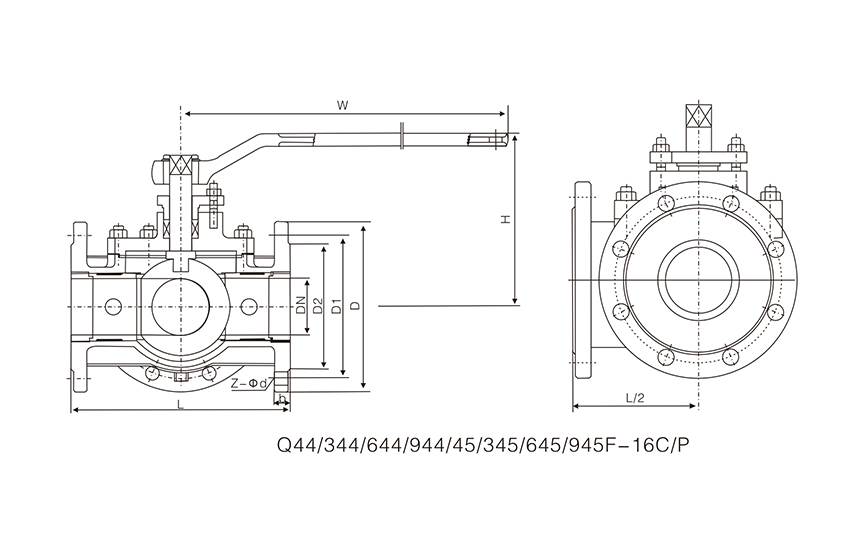
Main external dimensions and connection dimensions (mm)

L

D

D1

D2

b

Z-Φd

H

W

PN1.6MPa

15

108

95

65

45

14

4-14

95

140

20

117

105

75

55

14

4-14

105

160

25

127

115

85

65

14

4-14

113

180

32

140

135

100

78

16

4-18

135

250

40

165

145

110

85

16

4-18

142

300

50

178

160

125

100

16

4-18

154

350

65

191

180

145

120

18

4-18

175

350

80

203

195

160

135

20

8-18

190

400

100

229

215

180

155

20

8-18

225

500

125

356

245

210

185

22

8-18

245

600

150

394

280

240

210

24

8-23

265

800

200

457

335

295

265

26

12-23

305

800

250

533

405

355

320

30

12-25

370

1300

Note: The above data is for reference only. For details, please consult the company's sales department.

Valve Application
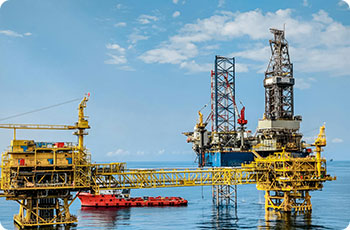
  • Oil & Gas Transportation

    Oil and gas transportation involves multiple modes such as pipelines and ships, and is the core link of the energy supply chain.

  • Chemical Raw Material Control

    The control of chemical raw materials covers the entire process of mining, storage, and production, ensuring safety and process stability.

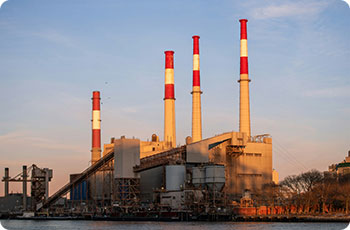
  • High Temperature SteamPipeline in Power System

    High temperature steam pipelines are the core of energy transmission in power systems, supporting the efficient operation of thermal and nuclear power plants.

  • Other Industries

    Valves control fluids in multiple industries such as new energy and electronics, ensuring safe and efficient production.

Related Recommendations
Always Connect With Us.
24-hour online response, professional team to answer all your questions, Welcome to contact us to customize your exclusive solution.
WeChat
Scan the QR Code with WeChat